

Most event teams still plan video for a single destination.
A recap video.
A full session recording.
Maybe a highlight reel.
That approach leaves value on the table.
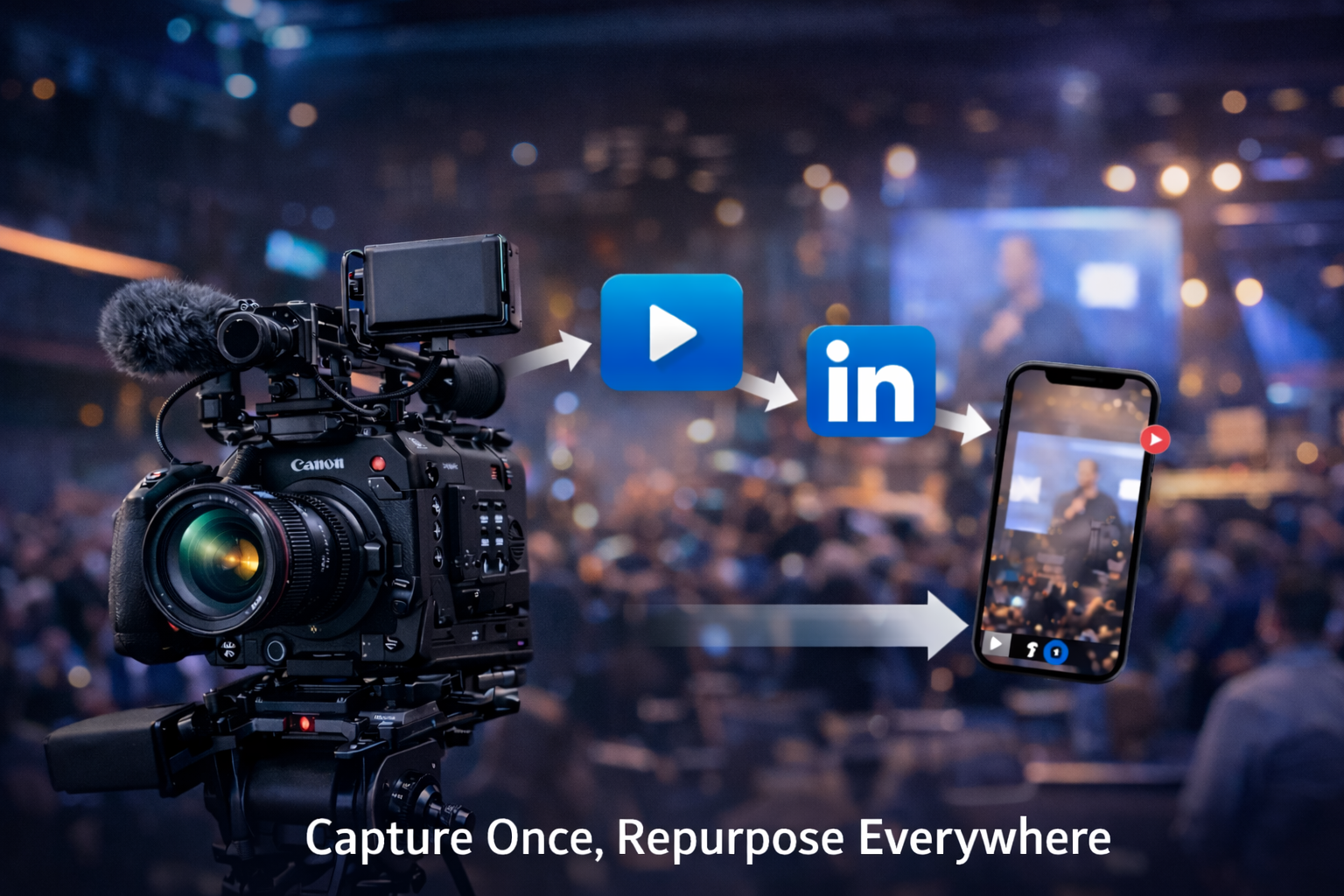
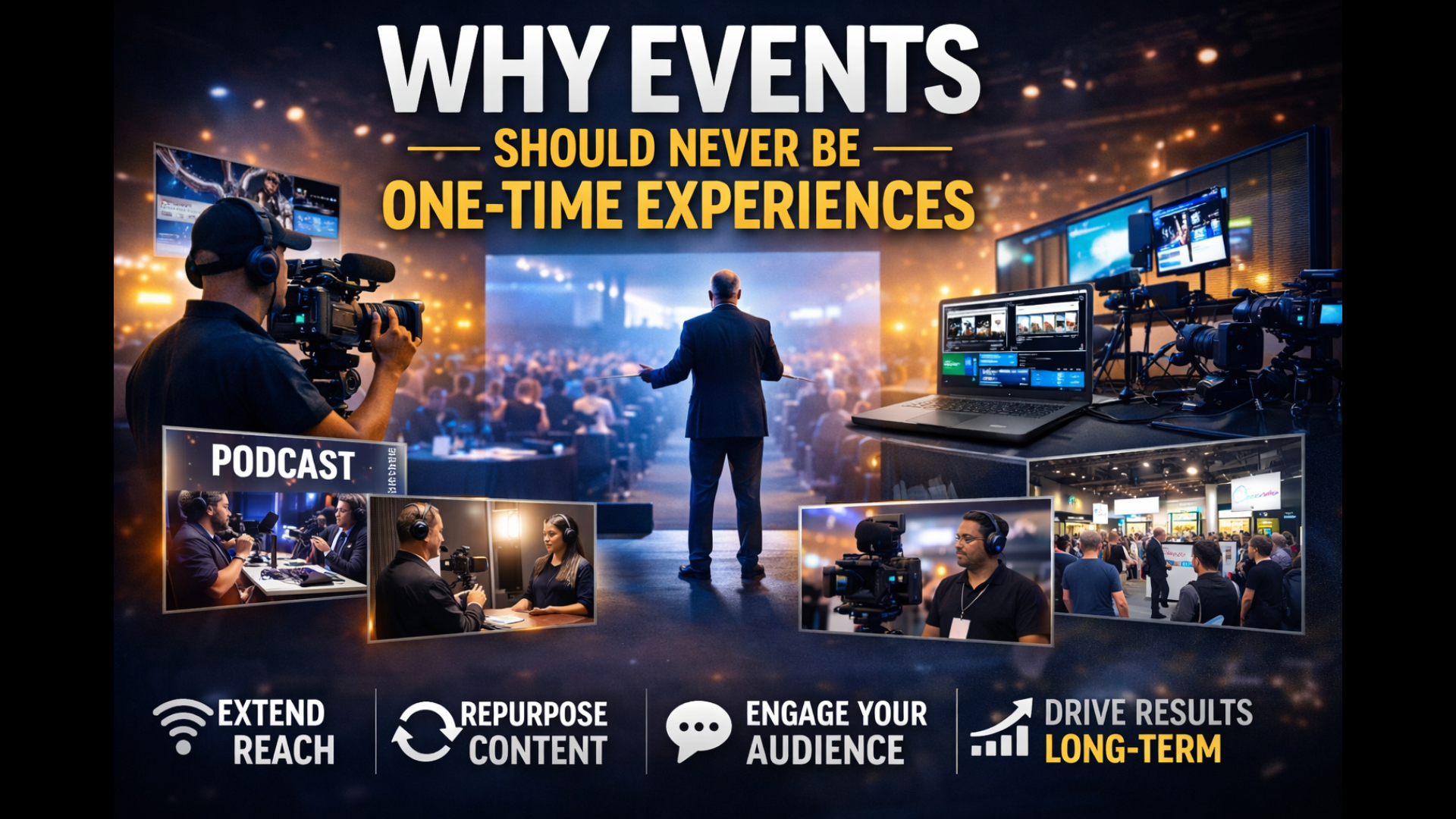
Modern event content works best when it is captured once and designed to produce many outputs across marketing, sales, recruiting, and internal communications.
This is the idea behind Single Source, Multiple Outputs, and it is quickly becoming the standard for high performing event teams.
What “Single Source” Actually Means
A single source is not just one camera or one recording.
It means capturing your event with enough resolution, framing flexibility, clean audio, and lighting consistency that the footage can be reused confidently across platforms and formats.
In practice, that includes:
-
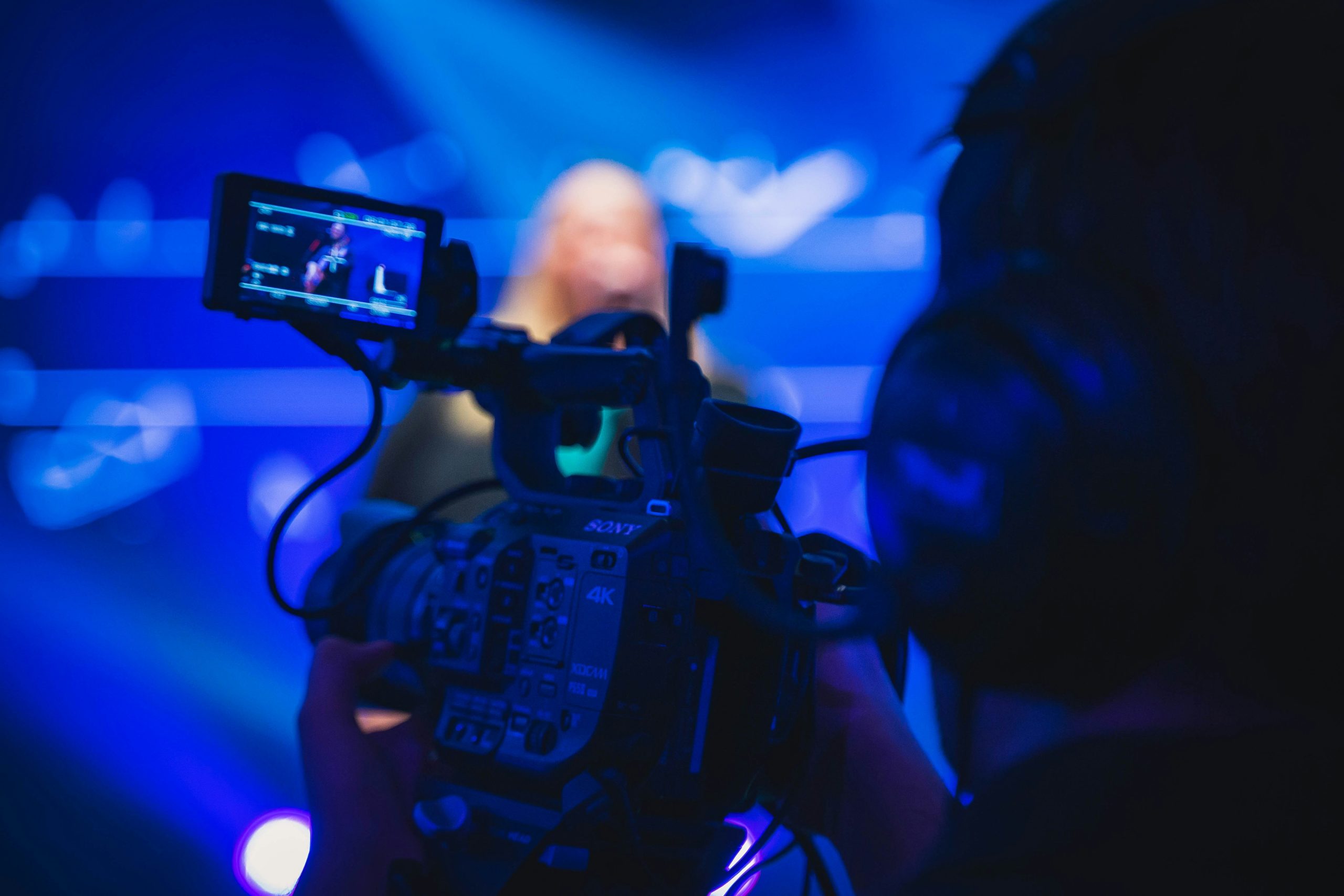
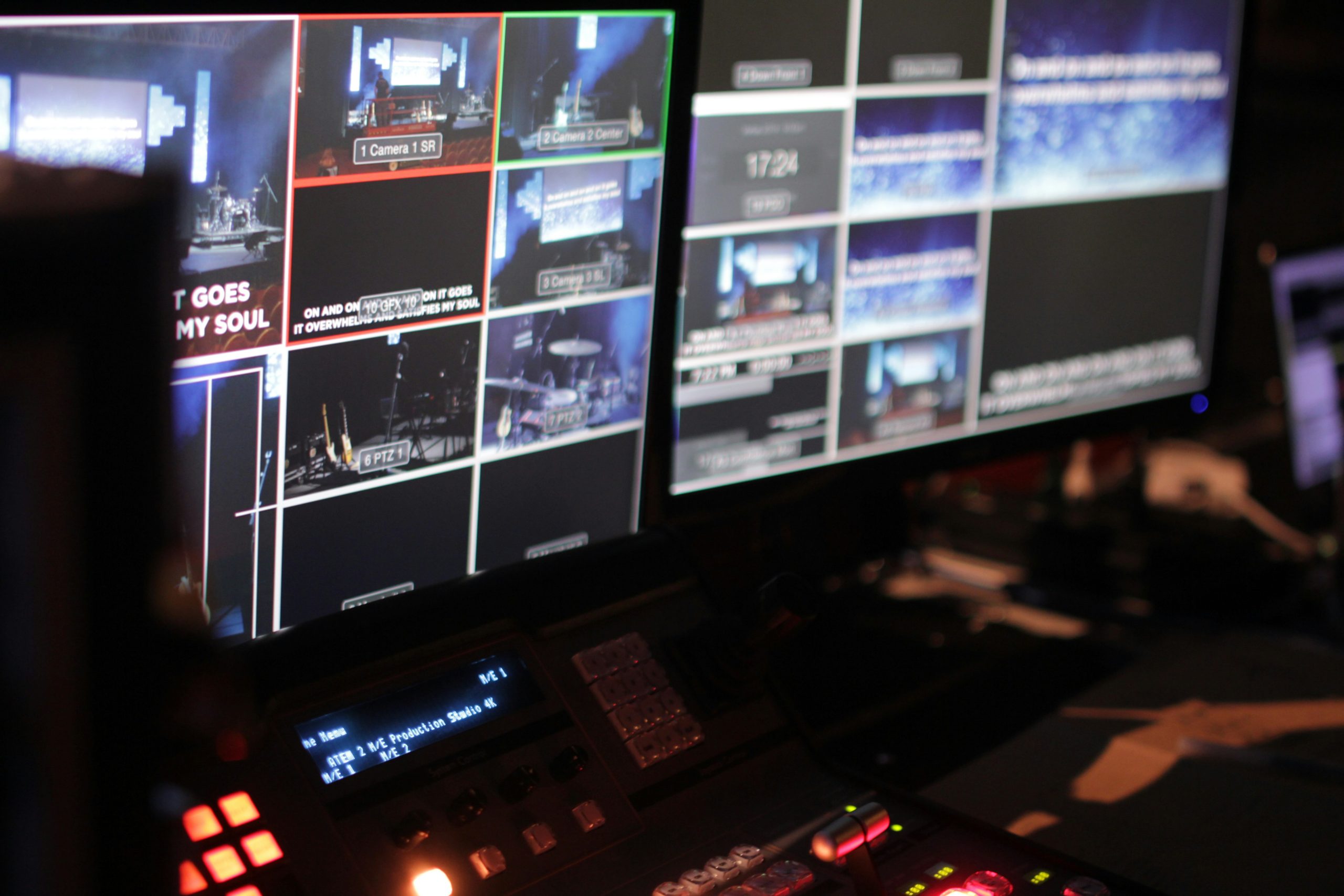
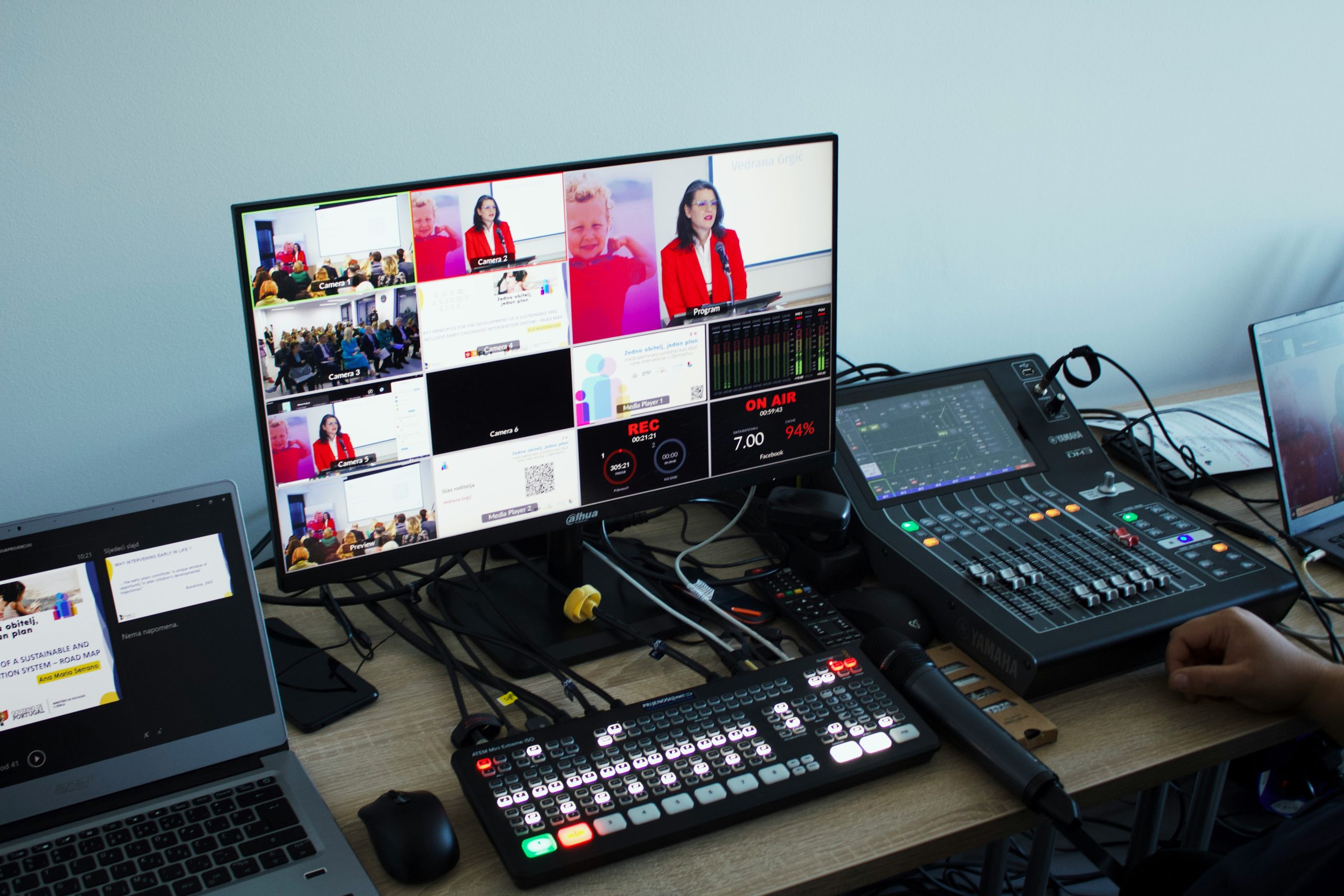
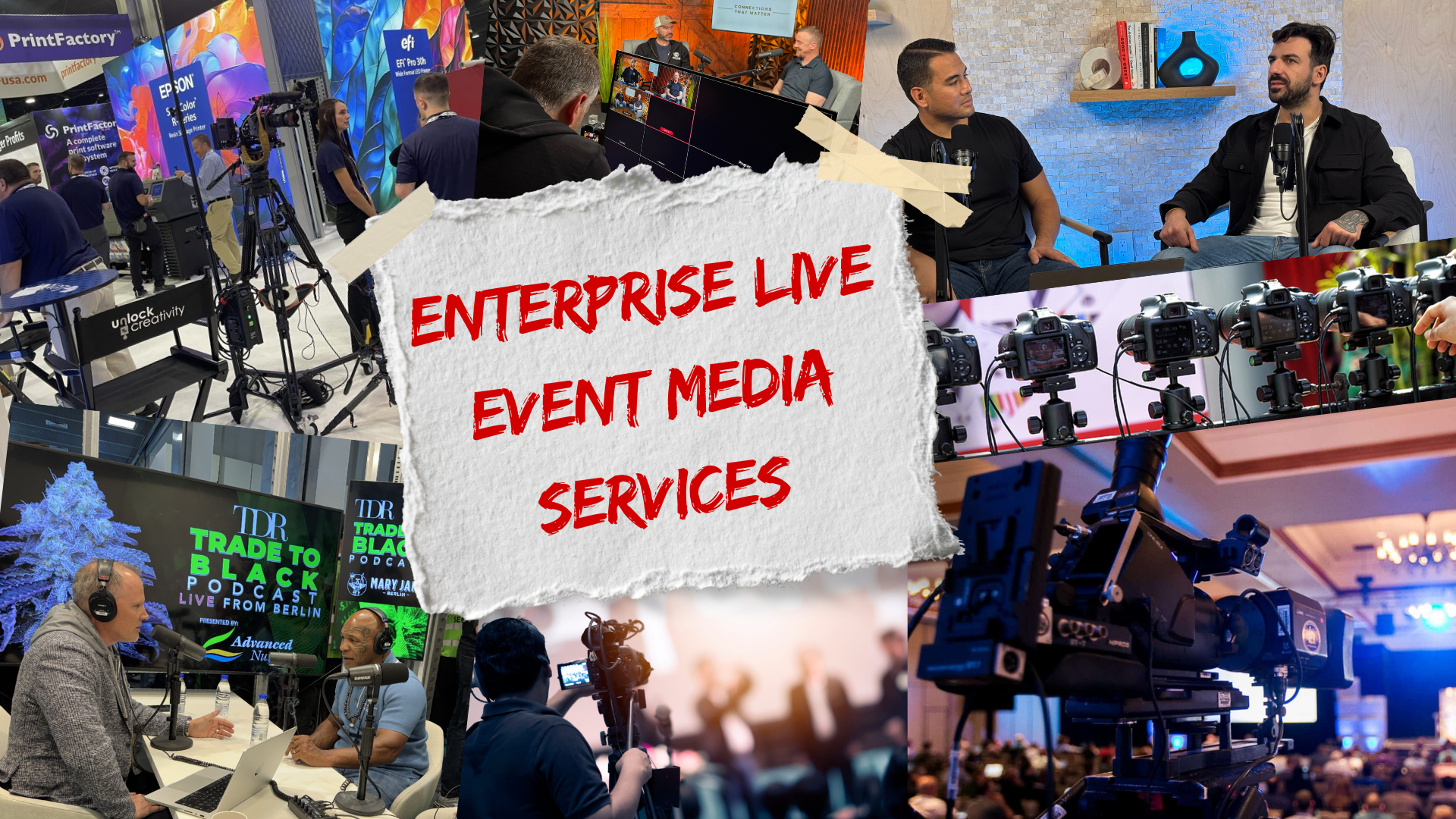
Multi camera live event video production
-
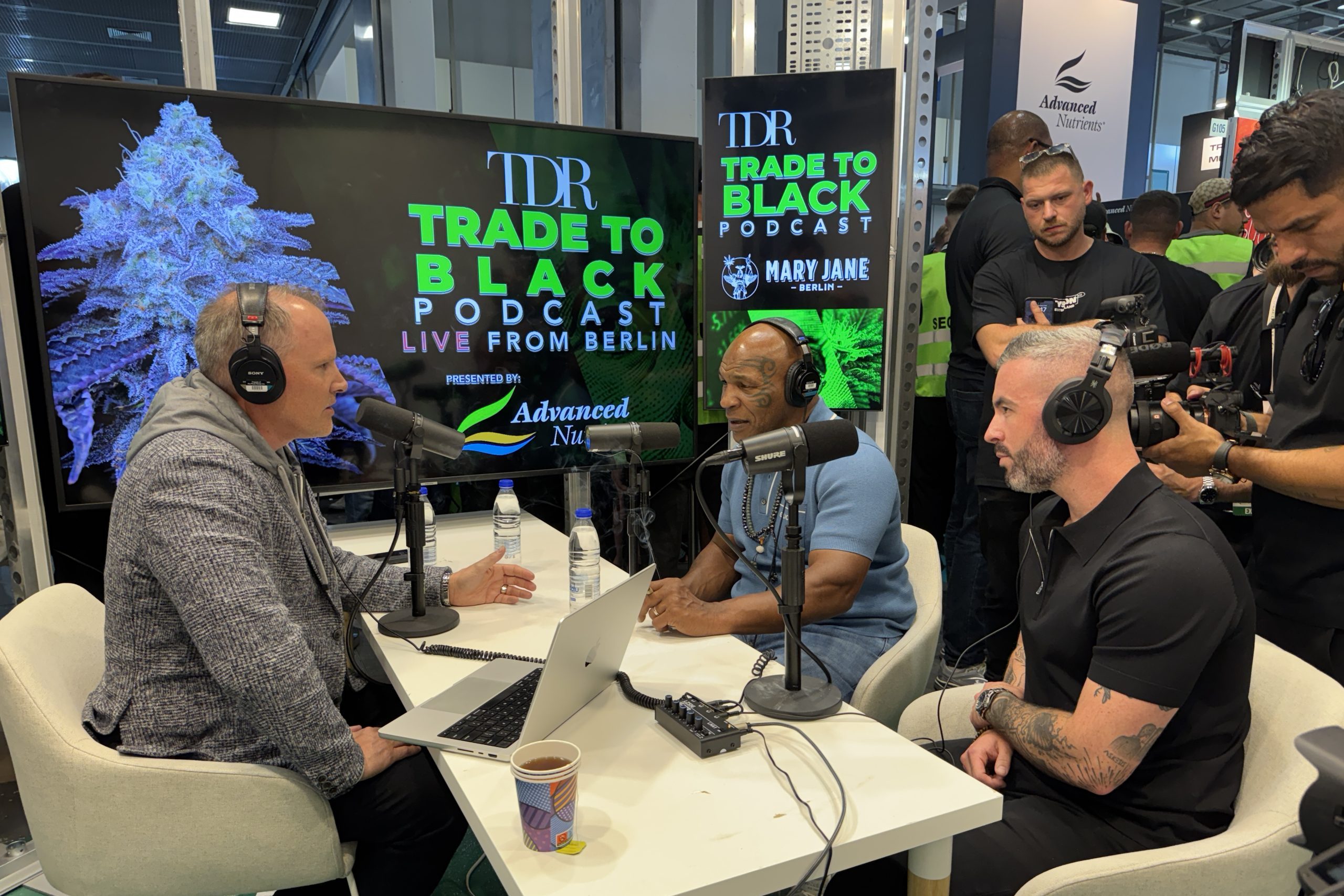
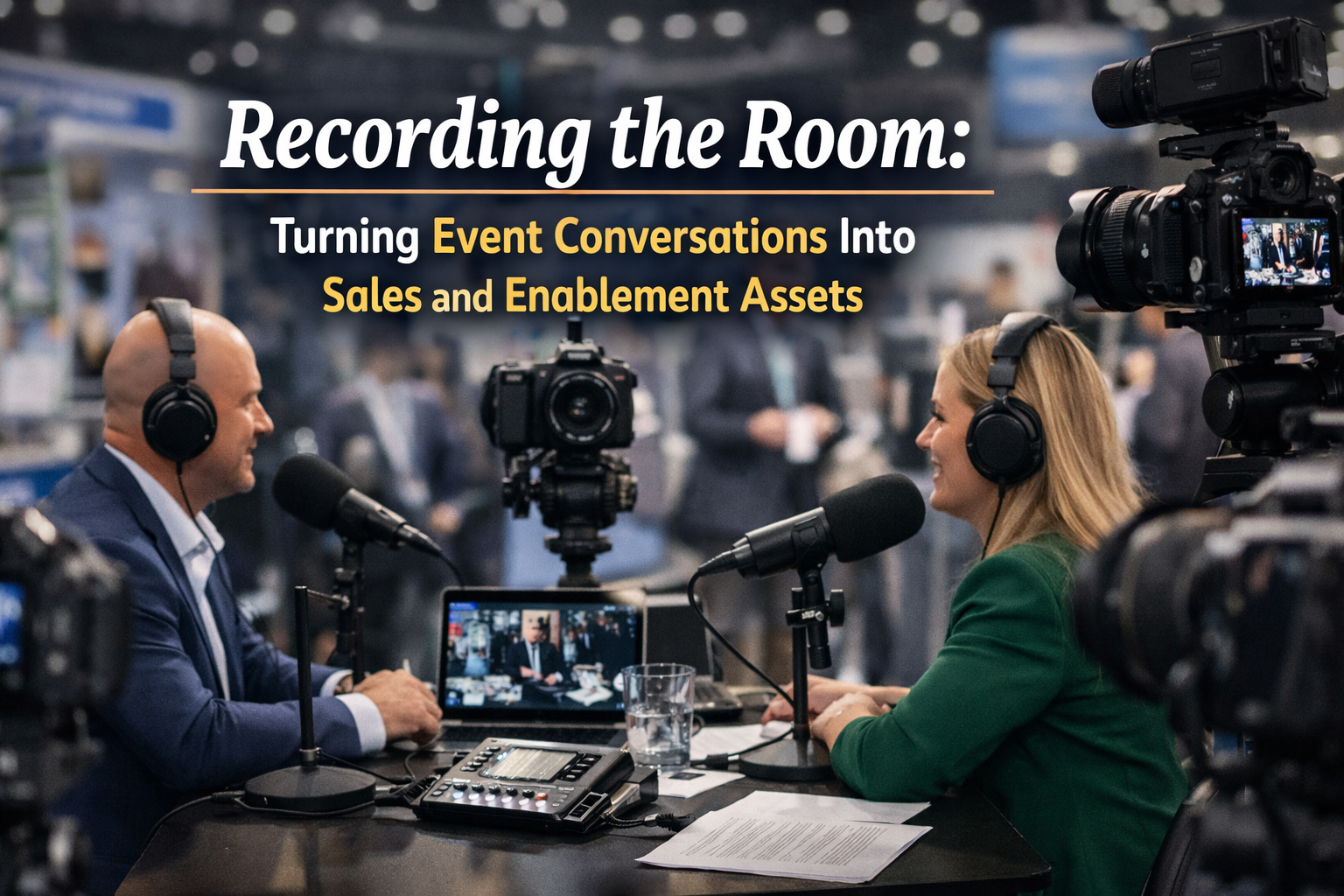
Clean audio capture for speakers, panels, and interviews
-
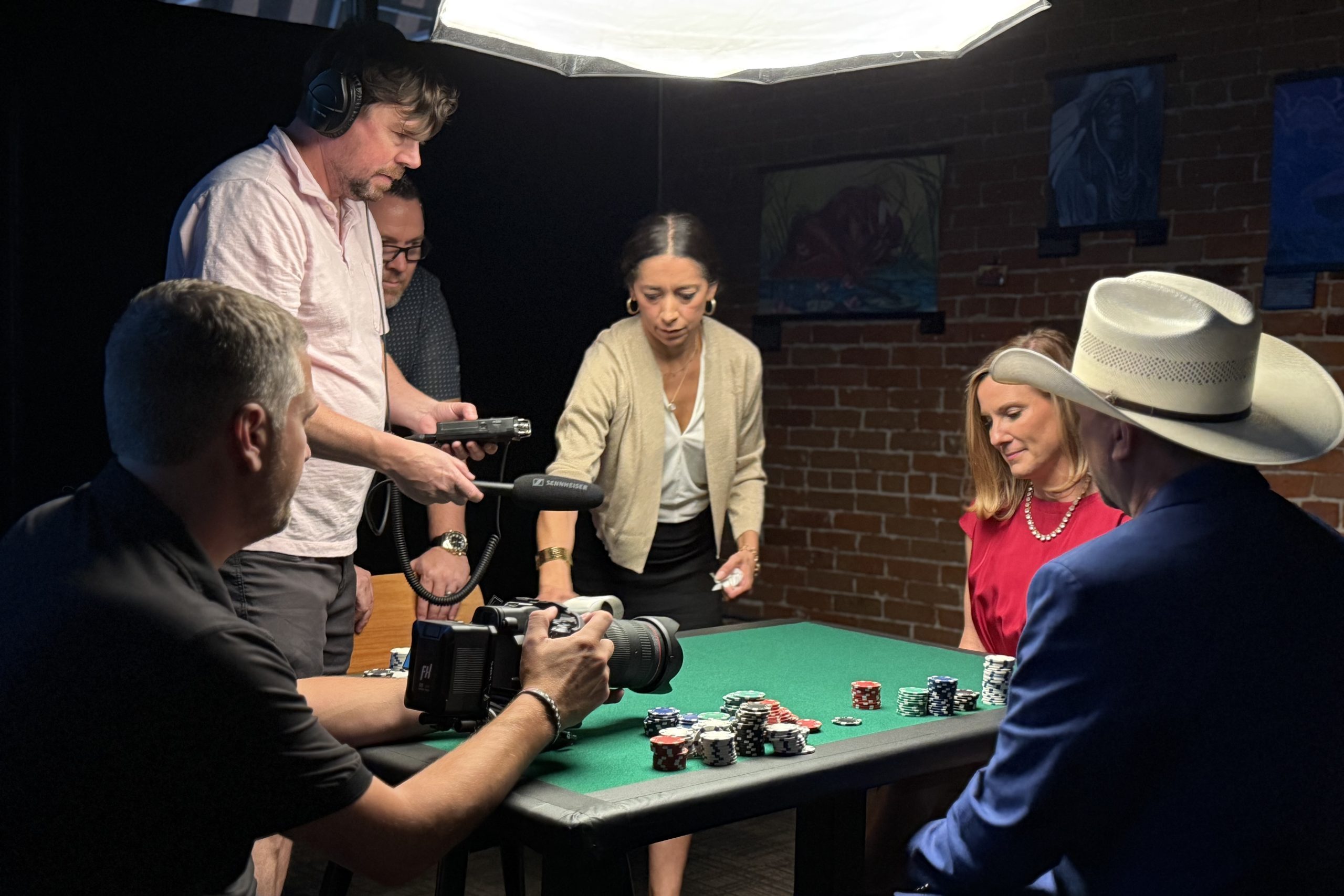
Lighting designed for camera, not just the room
-
Formats that support reframing and repurposing in post
When the source is strong, everything downstream gets easier.
Why Multiple Outputs Matter More Than Ever
Event audiences no longer consume content in one place.
The same keynote might live as:
-
A full length session on your website
-
Short clips for LinkedIn and social
-
Vertical video for reels and shorts
-
Internal training or onboarding content
-
Sales enablement assets organized by topic
If your capture is not planned for these outputs, teams are forced to choose between quality and speed, or skip repurposing altogether.
How Camera Choice Impacts Repurposing
This is where modern cinema cameras like the Canon EOS C50 change the conversation.
High resolution capture and Open Gate recording allow teams to:
-
Reframe horizontal footage into vertical or square formats
-
Crop for close-ups without losing image quality
-
Stabilize shots in post with minimal degradation
-
Future proof content for platforms that do not exist yet
This flexibility turns one recording into a library of usable assets.
Lighting and Audio Make or Break the Strategy
Resolution alone does not solve everything.
Even the best camera cannot fix:
-
Harsh stage lighting that creates shadows on faces
-
Mixed color temperatures that complicate color correction
-
Inconsistent audio levels across speakers
That is why professional event video production pairs camera systems with:
-
Intentional lighting design for faces and skin tones
-
Consistent audio capture using lavaliers, handhelds, or headsets
-
Monitoring and adjustment throughout the event
When lighting and audio are clean, post production moves faster and content gets used more often.
Post Production Systems Are the Multiplier
Single Source, Multiple Outputs only works when post production is treated as a system, not an afterthought.
Effective post production systems include:
-
Clear naming conventions for clips and sessions
-
Versions delivered for different platforms
-
Organized folders for marketing, sales, and internal teams
-
Timely delivery while the event is still top of mind
Without structure, even great footage gets buried.
The Bigger Industry Shift
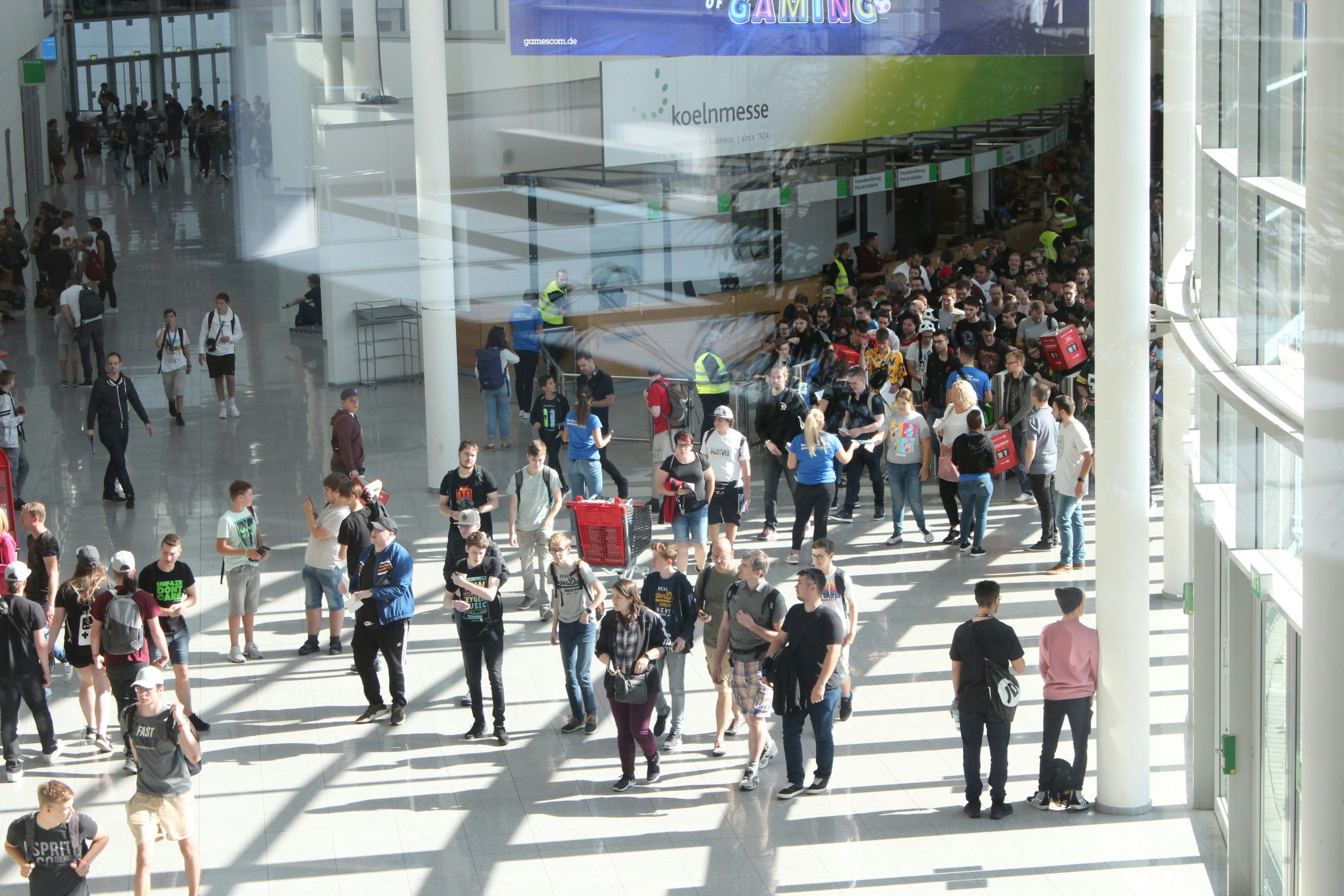
Across conferences, trade shows, expos, and sales kickoffs, organizations are recognizing that events are no longer just moments. They are content engines.
Industry research consistently shows that:
-
In-person events remain one of the most impactful marketing channels
-
Attendees expect modern production quality
-
Teams want content that lives beyond the event floor
Single Source, Multiple Outputs aligns directly with where the industry is going.
Why BBM Builds Events This Way
At Boxing Bear Media, we design live event video production with repurposing in mind from the start.
That means:
-
Planning capture around future outputs
-
Choosing cameras and formats that support flexibility
-
Coordinating lighting, audio, and staging for camera
-
Delivering organized assets that teams actually use
The goal is simple.
One event.
Many outputs.
Long term value.
Research and Sources
Event and Content Strategy Trends
In-person events continue to rank as one of the most impactful marketing channels for organizations (Bizzabo, State of Events).
Attendees prioritize learning, networking, and access to content beyond the live moment (Freeman Event Research).
Camera and Production Considerations
Open Gate recording captures the full sensor area, allowing reframing for multiple aspect ratios without quality loss (Canon).
Higher resolution capture supports stabilization, cropping, and future platform needs in post production (Digital Camera World).
Post Production and Repurposing
Structured post production workflows increase content usage across marketing and sales teams (Content Marketing Institute).