Lighting for Conference Interviews starts with one truth
Great interviews live or die on lighting.
You can have a great camera, clean audio, and a compelling speaker. If the lighting is off, the video instantly feels amateur.
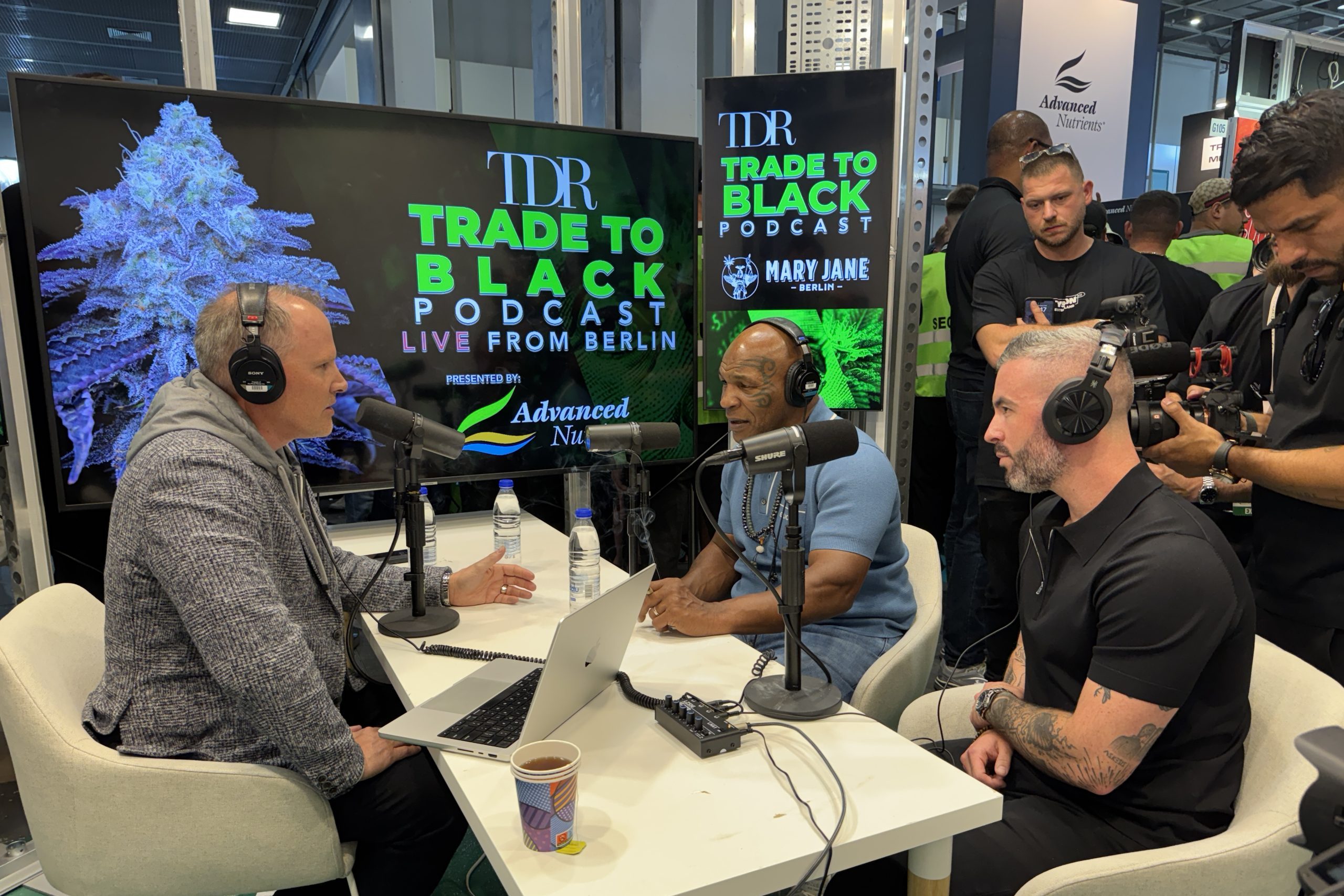
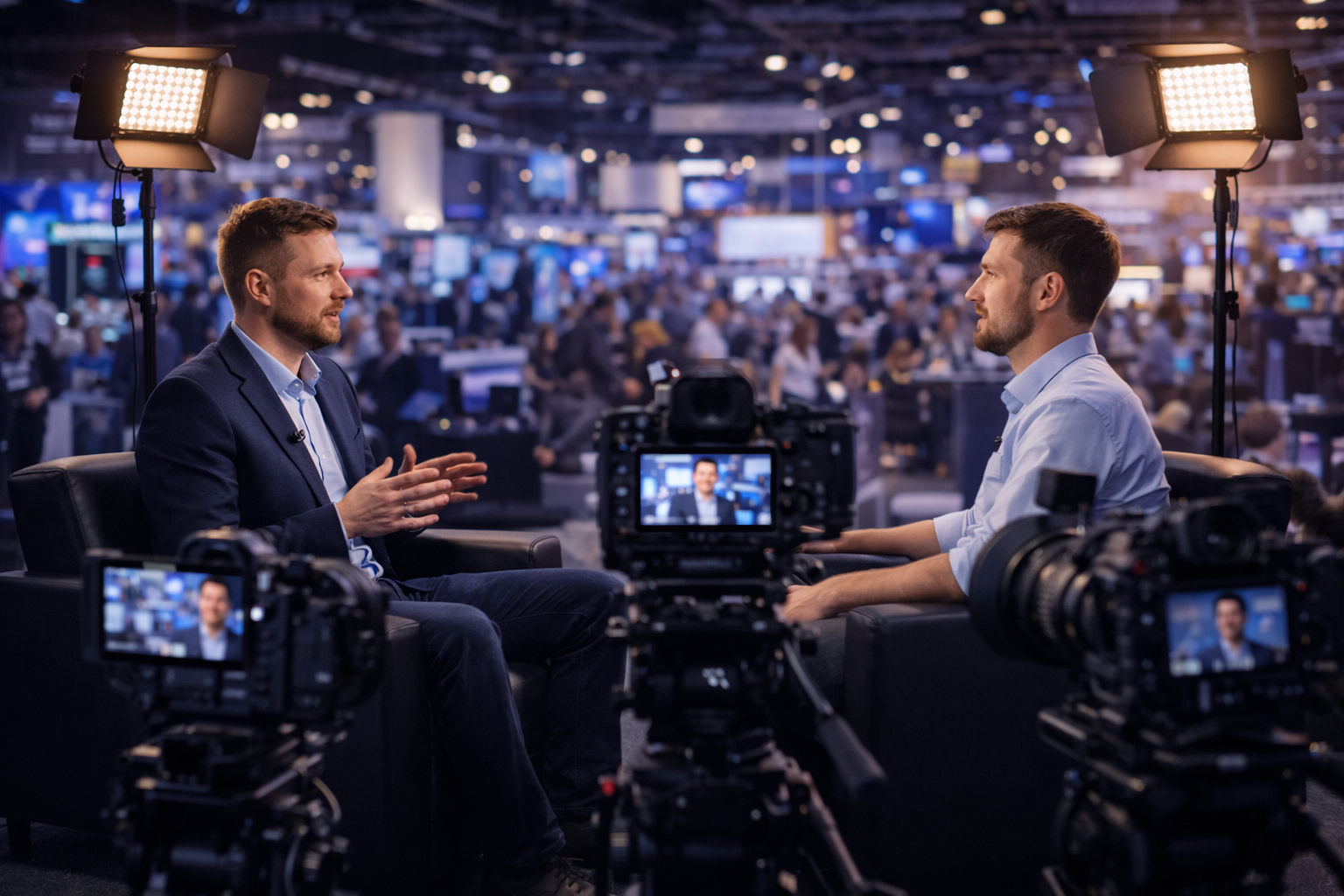
At conferences and trade shows, lighting is designed for the room, not for the camera. The good news is that you do not need a massive lighting rig to fix this. You need a few intentional adjustments.
These three fixes are simple, fast to deploy, and proven to elevate interviews captured during conferences, expos, and live events.
Fix 1: Control Color Temperature Before Anything Else
The fastest way to make lighting for conference interviews look cheap is mismatched color temperature.
Most conference environments mix multiple light sources:
-
Overhead tungsten lights around 3200K
-
Daylight balanced LEDs around 5600K
-
Screens and accent lighting with unpredictable color casts
If your key light does not match the dominant ambient source, skin tones suffer and color correction becomes harder in post.
Best practice for conference interview lighting:
-
Match your interview light to the dominant room source
-
Use 5600K daylight in most modern conference halls
-
Avoid mixing daylight and tungsten on the subject’s face
Most professional video workflows reference 5600K as a baseline daylight standard, while tungsten lighting sits closer to 3200K. Canon provides a clear overview of these standards here: https://www.canon-europe.com/pro/stories/colour-temperature-photography/
When color temperature is consistent, conference interviews immediately feel cleaner and more professional.
Fix 2: Create Shape With One Key Light, Not More Lights
A common mistake in lighting for conference interviews is overcomplicating the setup.
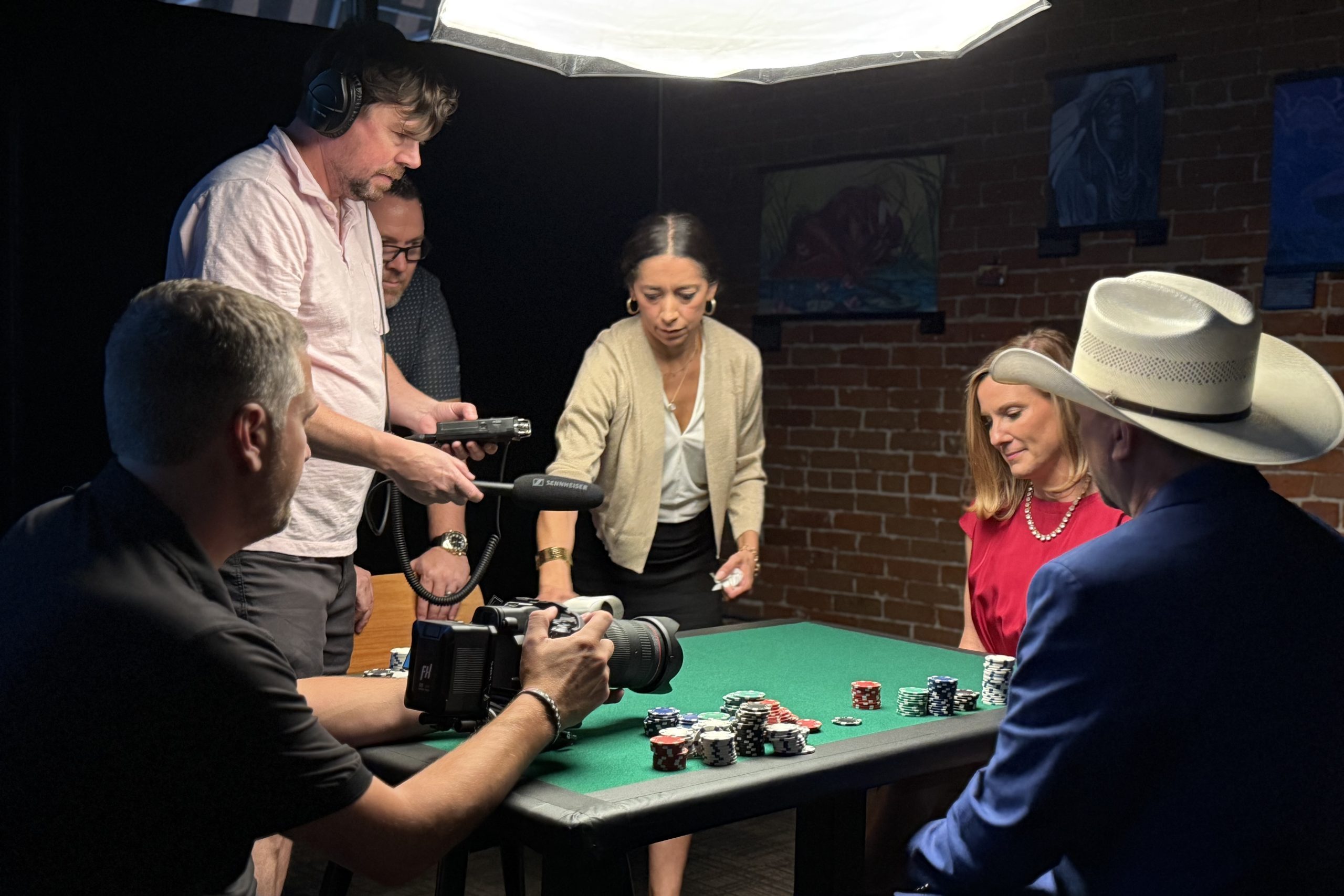
You do not need three or four lights to make an interview look expensive. You need one well placed key light.
What works consistently at conferences and trade shows:
-
Place a soft key light at a 30 to 45 degree angle from the subject
-
Keep the light slightly above eye level
-
Let the room’s ambient light act as natural fill
This creates dimension on the face instead of flat, washed out lighting. Even compact LED panels or small soft lights work when positioned correctly.
Film and broadcast standards consistently emphasize direction and contrast over raw brightness. No Film School breaks this down well here:
https://nofilmschool.com/lighting-basics
This approach is especially effective for fast moving trade show interviews where speed matters.
Fix 3: Separate the Subject From the Background
Conference floors are visually busy. Booths, screens, and constant movement behind your subject can overwhelm the frame.
Lighting for conference interviews solves this with separation.
Two simple techniques:
-
Add a subtle backlight or edge light to the subject’s shoulders or hair
-
Position the subject a few feet away from the background when possible
This creates depth and makes the interview feel intentional instead of accidental.
StudioBinder highlights background separation as a major driver of perceived production value in interviews: https://www.studiobinder.com/blog/film-lighting-techniques/
Even a small battery powered backlight can dramatically improve how polished a trade show interview feels.
Why Lighting for Conference Interviews Matters
Conference interviews rarely happen in controlled studios. They happen quickly, on busy floors, with limited setup time.
Professional conference and trade show video services are designed around:
-
Lighting setups that deploy fast
-
Consistent color temperature across interviews
-
Clean, repeatable results across multi day events
When lighting is handled intentionally, post production is faster, color grading is simpler, and content becomes far more usable for marketing, sales, recruiting, and internal teams.
If you are building a broader event content strategy, this lighting foundation pairs directly with how interviews are repurposed after the show. For a deeper look, see our internal guide on turning conference conversations into marketing assets.
The Bigger Picture
Lighting for conference interviews is not about being flashy.
It is about removing distractions.
When lighting is right:
-
Viewers focus on the message
-
Speakers look confident and credible
-
Content feels premium, even in fast moving environments
That is what makes video look expensive.