
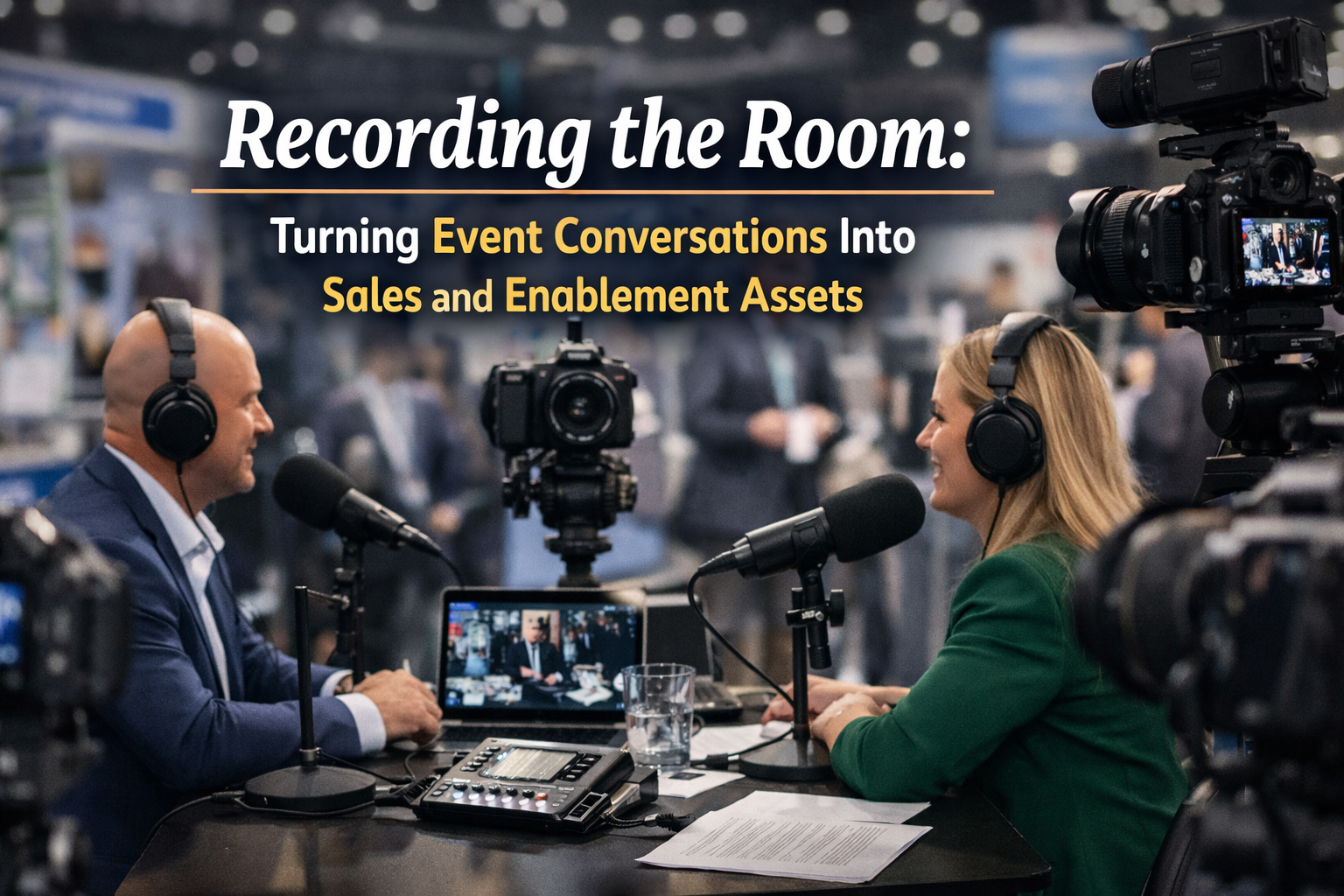
Recording the Room: Turning Event Conversations Into Sales and Enablement Assets2026 event content marketing is no longer about what happens on the show floor. It is about what continues to work long after the room clears, the booth comes down, and the travel receipts are filed.
Teams are spending more on events than ever, yet many still treat content as an afterthought. The result is a growing disconnect between investment and impact.
Industry research from Cvent and Freeman highlights a widening outcomes gap. Events are generating strong engagement in the moment, but far less value once the event ends.
Below are the 2026 event trends that actually affect your content plan, and how to adjust before your next conference, trade show, or internal event.
The Outcomes Gap Is Driving Content Strategy
What the data is telling us
Cvent’s recent trend analysis shows that attendance and engagement are rebounding, but measurable business outcomes are lagging. Freeman’s outcomes gap research reinforces this, pointing out that most brands still fail to translate live interactions into sales enablement, marketing assets, or long term audience growth.
This is not an execution problem. It is a design problem.
If content is not planned before the event, it rarely survives after it.
Content Planning Now Starts Before Registration Opens
From coverage to activation
In 2026, event content marketing starts during event planning, not onsite.
High performing teams are:
-
Defining content goals alongside event goals
-
Mapping content to sales, recruiting, and leadership messaging
-
Designing booth layouts that support recording, not just traffic
This shift turns events into content engines instead of isolated moments.
If you are still asking, “Can we get some footage while we’re there?”, you are already behind.
Live Conversations Are the Most Valuable Asset in the Room
Why conversations outperform polished videos
Freeman’s research shows audiences trust unscripted conversations more than highly produced brand videos. That is driving a rise in:
-
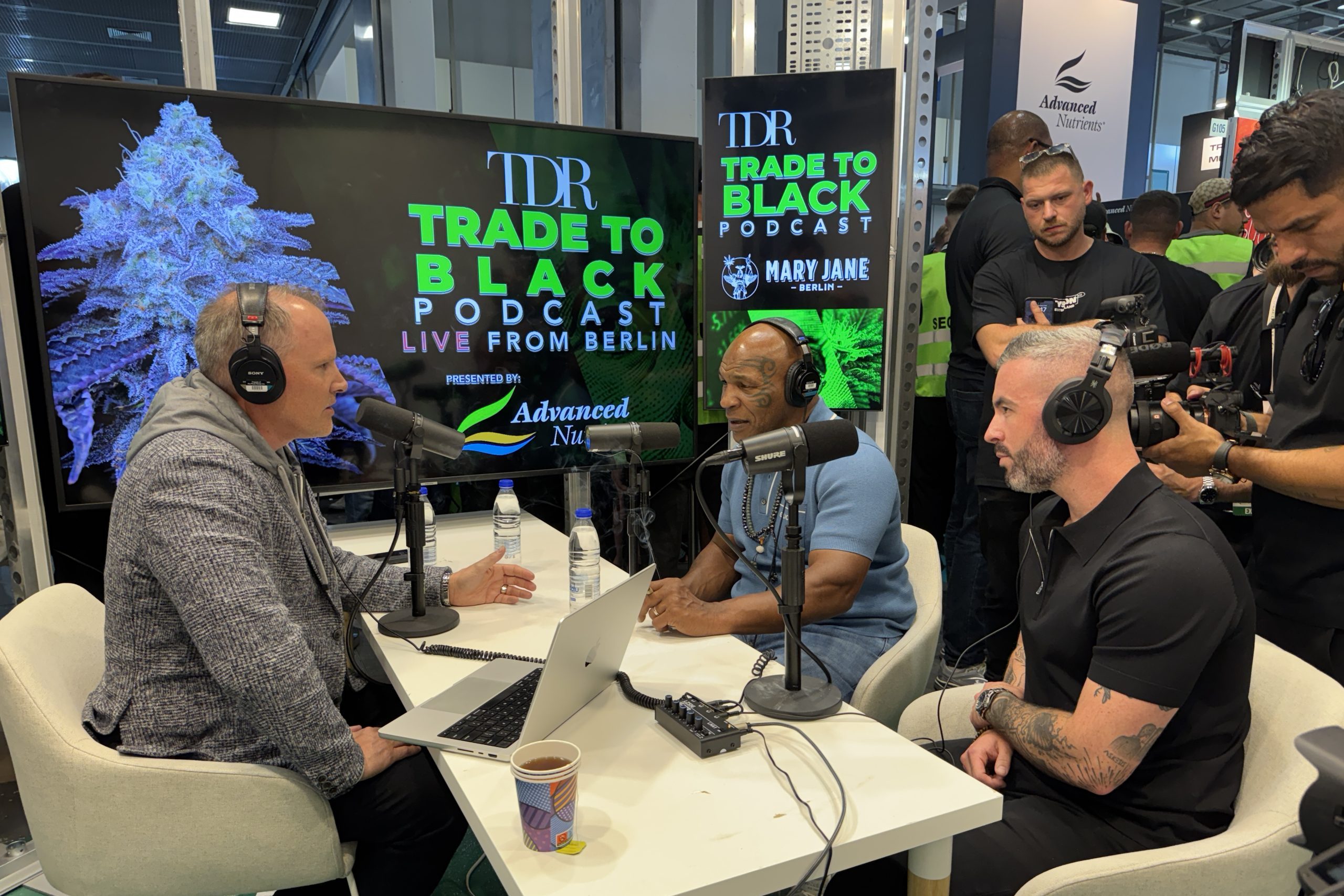
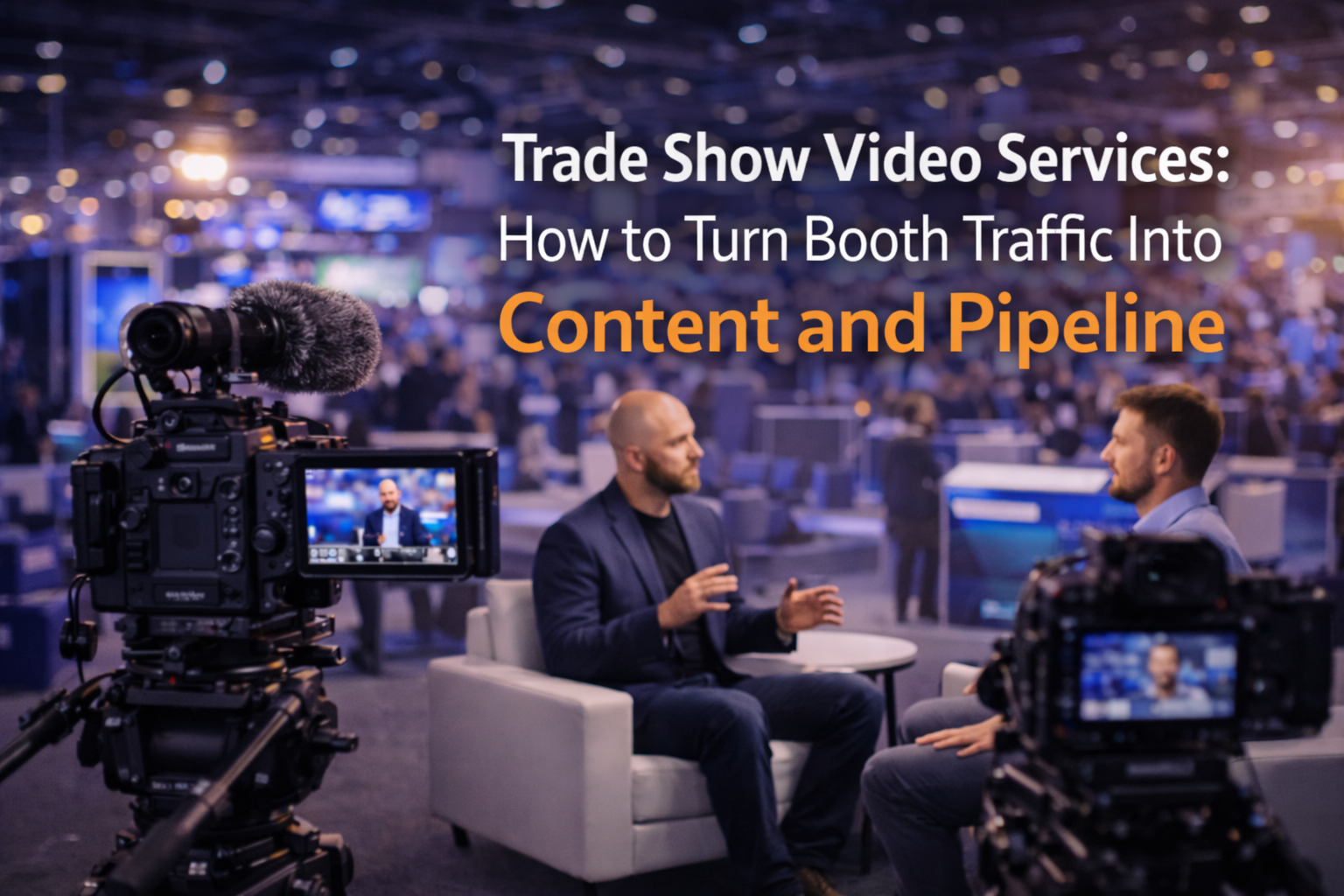
Executive interview corners
-
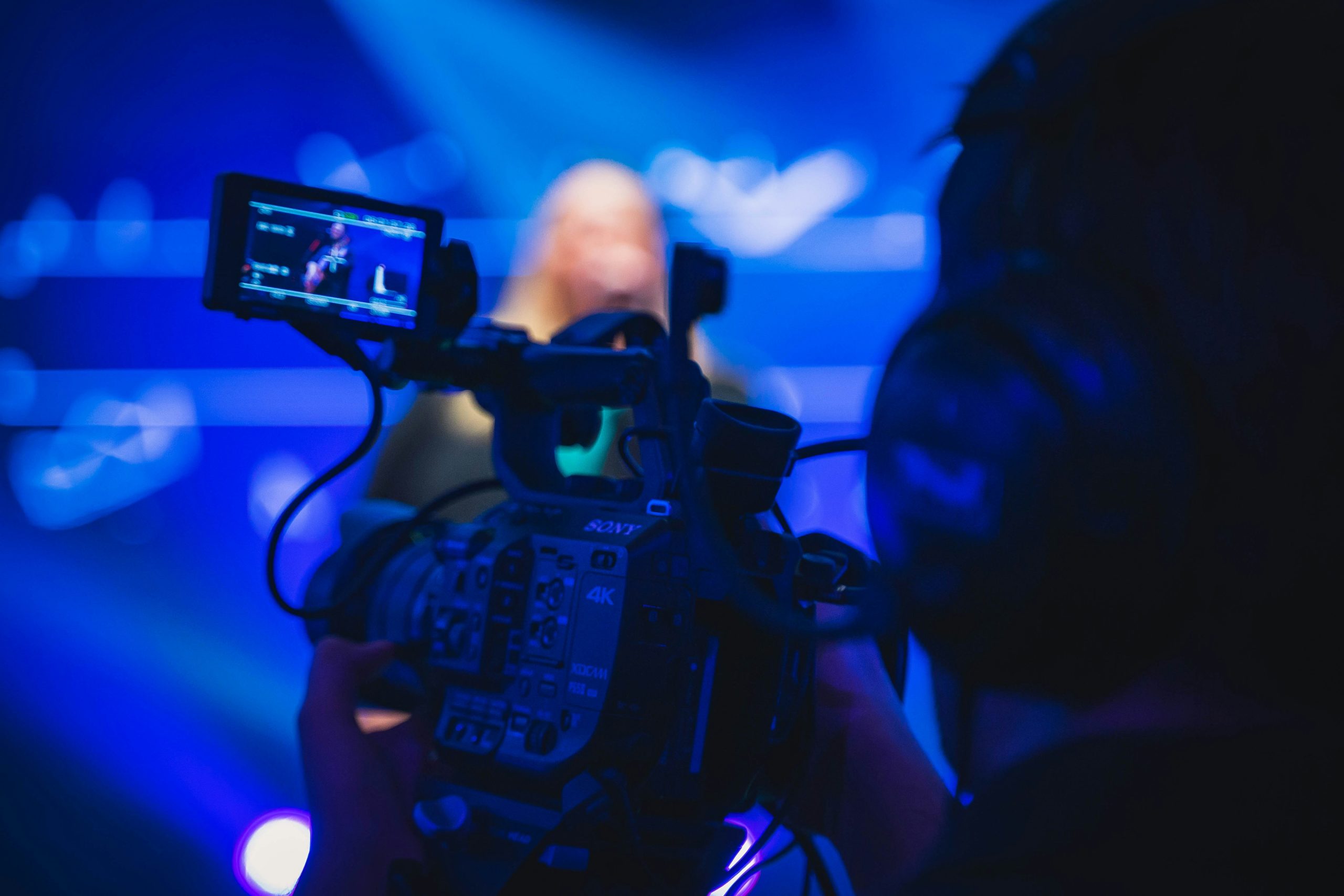
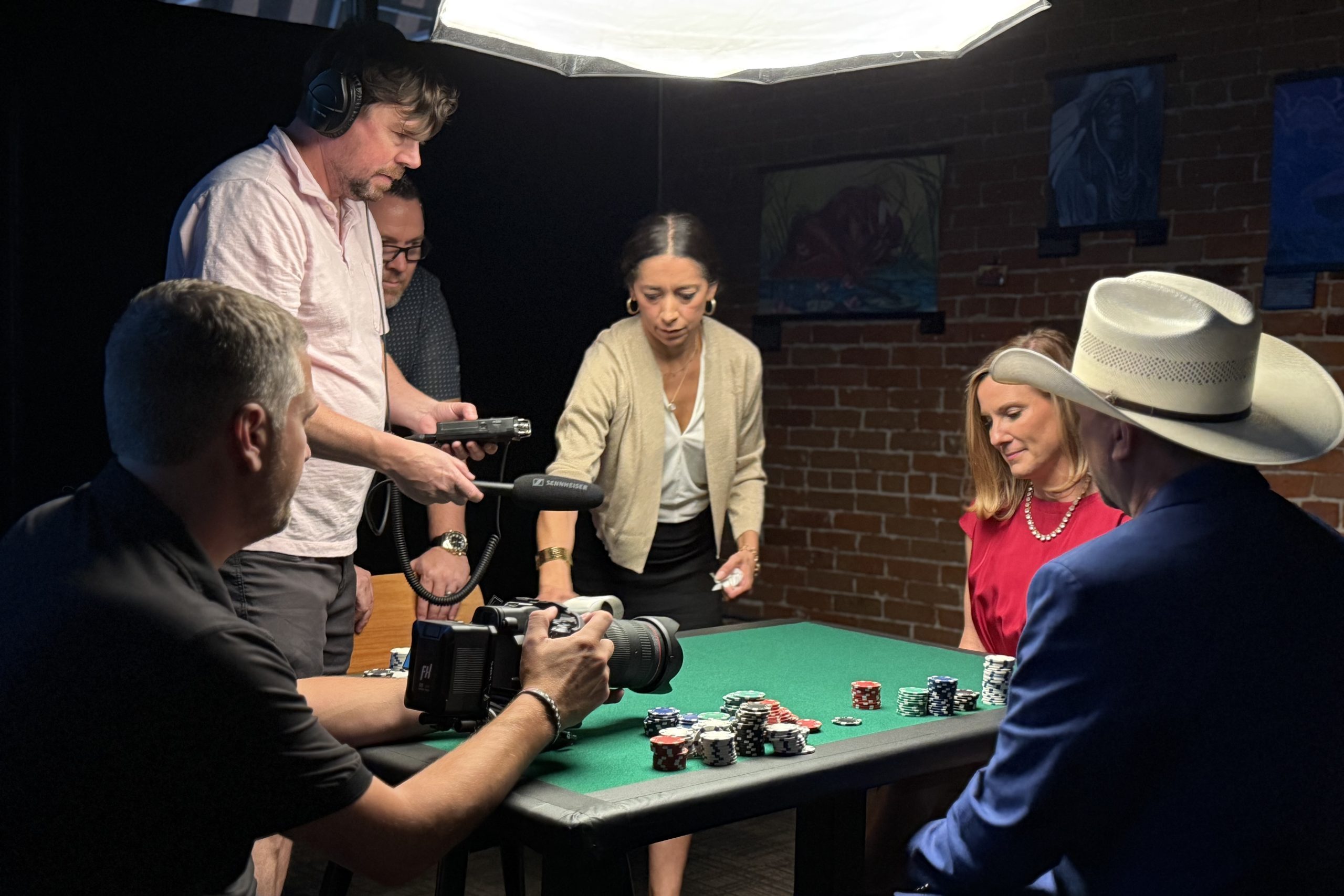
Run and gun video capture teams
These formats create authentic content that works across LinkedIn, sales follow-ups, recruiting, and internal communications.
This is one of the clearest shifts in 2026 event content marketing. Real beats perfect.
Post Event Repurposing Is No Longer Optional
One event, many outputs
Top teams now design events backward from post event distribution. A single event can produce:
-
Short social clips
-
Sales enablement videos
-
Podcast episodes
-
Blog articles
-
Internal training content
If your event content plan ends with a highlight reel, you are leaving value on the table.
This is where internal planning matters. Align marketing, sales, and leadership teams before the event so the content has a home after it is created.
For related strategy, see our internal guide on turning event conversations into assets.
Measurement Is Shifting From Views to Utility
What actually counts in 2026
Views still matter, but utility matters more.
High performing teams measure:
-
How often sales uses event content
-
Whether clips shorten sales cycles
-
How content supports onboarding and enablement
This shift closes the outcomes gap identified by Cvent and Freeman and connects content directly to revenue and retention.
The New Standard for 2026 Event Content Marketing
By 2026, the baseline expectation is clear.
Events should:
-
Capture conversations, not just visuals
-
Create content with multiple destinations
-
Support business goals long after the event ends
If your content plan cannot answer, “What happens to this content 90 days after the event?”, it is time to rethink the approach.
Final Thought
The biggest event trend for 2026 is not a new format or platform. It is intentionality.
2026 event content marketing rewards teams that plan early, capture intelligently, and repurpose relentlessly.
The events you are already attending can fuel months of content. The only question is whether you are designing them that way.
Research and Sources
Event and Content Strategy Trends
Event organizers are increasingly measuring success by pipeline influence and post event engagement, not just attendance (Cvent Event Industry Report).
Attendee Outcomes and Experience
There is a growing gap between organizer priorities and attendee outcomes, with attendees valuing learning, networking, and content access beyond the live moment (Freeman Event Research).